
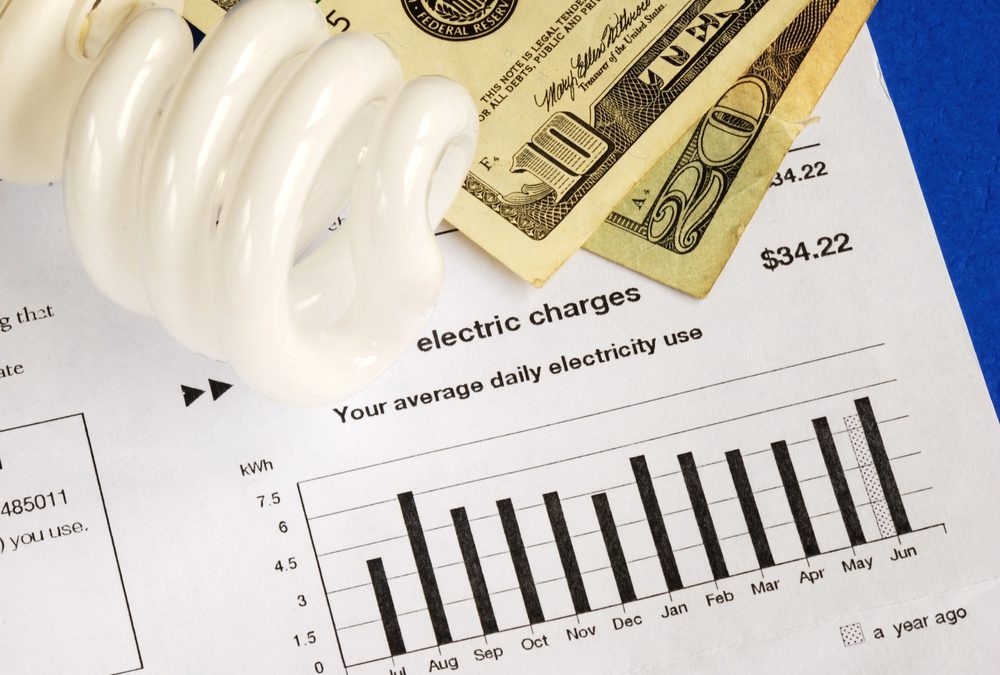
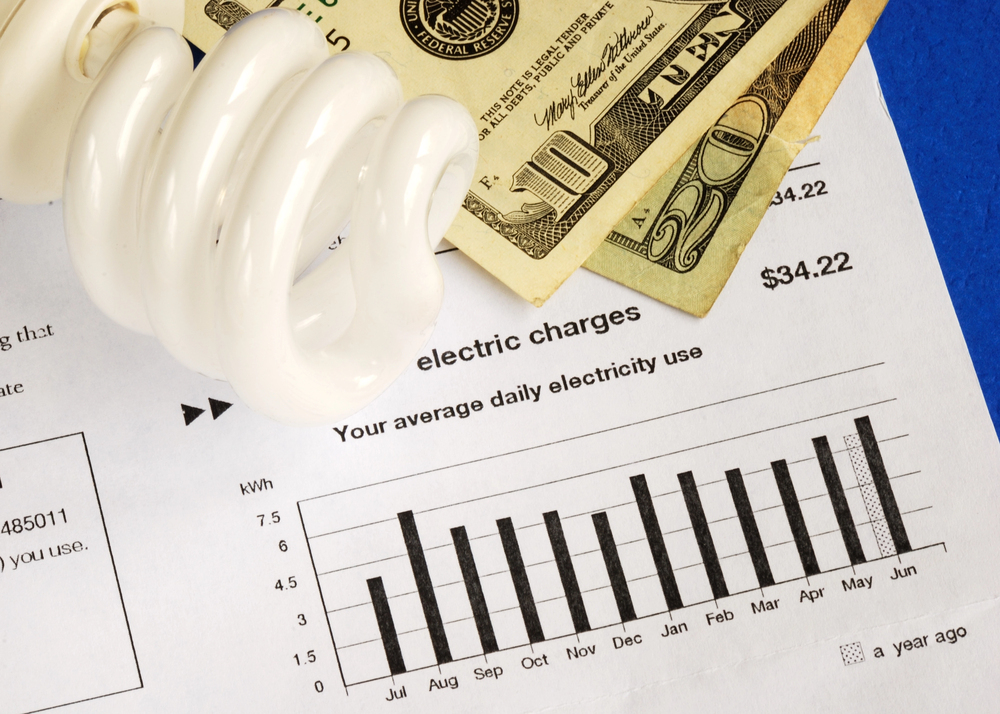
 Rising utility bills are putting pressure on businesses across California. Many owners know they need to reduce energy costs, but solar panels often feel expensive, disruptive, and risky. The good news is that solar is not the only way to lower commercial energy bills. In many cases, businesses can reduce energy costs by 10 to 50 percent without installing solar panels, without construction, and without any upfront investment.
This approach is called commercial energy management, and it focuses on how your business uses energy rather than generating more of it.
Why Solar Is Not Always the First Step
Solar has value in the right situation, but it is often misunderstood as the starting point for energy savings. For many commercial buildings, solar does not address the real reasons energy bills are high.
Common issues include:
- High demand charges during peak usage
- Equipment running when the building is unoccupied
- Inefficient HVAC scheduling and controls
- Energy waste that is invisible on a standard utility bill
Solar panels do not fix these problems. Installing solar before addressing inefficiencies can lock in higher costs and reduce overall return on investment.
What Commercial Energy Management Is
Commercial energy management is a data-driven approach to reducing utility costs. Instead of changing your building, it focuses on measuring, analyzing, and optimizing how energy is used.
Energy management typically includes:
- Smart energy monitoring software
- Lightweight, non-intrusive metering hardware
- Ongoing analysis of usage patterns and demand drivers
This system provides real-time visibility into how and when energy is consumed, making it possible to eliminate waste without disrupting operations.
How Businesses Save 10 to 50 Percent Without Solar
Energy management delivers savings by correcting inefficiencies that already exist inside your facility. These savings often begin quickly because they do not rely on long construction timelines or equipment installs.
Typical savings opportunities include:
- Reducing peak demand charges
- Eliminating unnecessary after-hours energy use
- Optimizing HVAC and equipment schedules
- Identifying malfunctioning or inefficient equipment
Because these changes target waste rather than infrastructure, they often produce more consistent and reliable savings than solar-only solutions.
No Construction and No Disruption
One of the biggest advantages of energy management is that it does not require construction. There are no roof penetrations, no electrical shutdowns, and no interference with daily operations.
Most of the optimization happens through software, scheduling adjustments, and operational improvements. Monitoring equipment is installed quickly and unobtrusively, making this approach well suited for offices, retail locations, medical facilities, warehouses, and multi-tenant commercial buildings.
How No Upfront Cost Energy Management Works
Many businesses assume energy solutions require capital investment. Energy management can be implemented using a shared savings model.
In this model, the provider covers the cost of the system and implementation. The business pays nothing upfront. Instead, the provider is compensated through a portion of the verified energy savings.
In most cases, the system pays for itself in approximately two years. After that, the business retains the majority of the ongoing savings, with no added risk.
Why This Works Especially Well in California
California utilities use complex rate structures that vary by provider. Southern California Edison, PG&E, San Diego Gas and Electric, and Imperial Irrigation District all calculate costs differently, especially when demand charges are involved.
Energy management works well in California because it is designed around utility-specific pricing. Rather than guessing, optimization strategies are built around how your actual utility charges for energy.
This is why batteries and solar do not always make sense in every territory, while energy management consistently delivers measurable savings.
Energy Management Before Solar Leads to Better ROI
For businesses that eventually want solar, energy management is still the smarter first step. By reducing waste and optimizing usage first, future solar systems can be smaller, less expensive, and more effective.
Many businesses discover that once inefficiencies are eliminated, their energy costs drop enough that solar becomes optional rather than necessary.
Who Is a Good Fit for Energy Management
Energy management is a strong fit for businesses with meaningful energy usage that want predictable savings without operational disruption.
This includes commercial offices, retail centers, industrial facilities, warehouses, medical buildings, and multi-location businesses.
If your energy bills feel high, unpredictable, or disconnected from how your building operates, energy management is worth exploring.
Get Your Free Energy Savings QuickStart Guide – Instant Access
If you want to reduce commercial energy costs without solar panels, without construction, and without upfront investment, energy management is the fastest place to start.
The Free Energy Savings QuickStart Guide shows how businesses identify waste, reduce demand charges, and start saving immediately using proven energy management strategies.
Instant access is available with no obligation. Understanding how your business uses energy is the first step toward lowering utility costs with minimal risk.